Boat Care
Dry-Box Potentials: Corrosion Mechanics in Marine Environments
May 11, 2026 · Margaret L. Holbrook
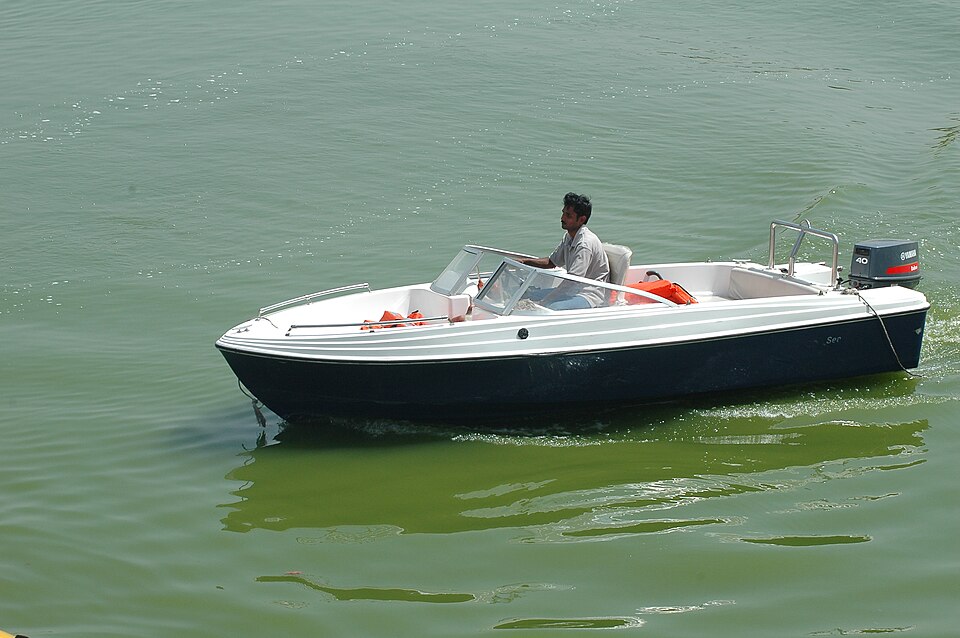
Boat Care in the esacup2025.org category hub is where practical maintenance meets performance on the water. This section curates articles that help readers keep vessels season-ready, safely sailed, and race-ready when the breeze shifts. We cover concrete, repeatable tasks that sailors of all levels can apply: from daily care to seasonal refurbishment. Our focus is on real-world gear, proven procedures, and reliable checks that minimize downtime and maximize handling under pressure.
What you’ll find here in this category spans several interlinked topics. First, hull and hardware maintenance that protects performance, such as hull cleaning protocols, corrosion control, and rudder stock inspection. Second, rigging health and safety practices that safeguard offshore cruising, including wire rope checks, turnbuckle integrity, and standing rigging audits. Third, mast and step reliability, with emphasis on step integrity, mast lubrication, and refitting considerations. Fourth, boat systems and navigation gear upkeep, covering electrical system reliability, battery care, and instrument calibration. Fifth, practical storage and preventive strategies, like dry-box maintenance, bilge management, and gear organization for long passages. Sixth, performance tuning and material compatibility, including to-the-point advice on antifouling, paint compatibility, and fastener corrosion prevention. Each cluster centers on reproducible steps, checklists, and warning signs that help sailors decide when to service or replace components before a voyage turns costly.
Why this matters to readers navigating coastal routes, offshore legs, or competitive courses is simple: a well-maintained boat translates to fewer in-season surprises, steadier handling, and more time on the water. We relate maintenance choices to typical operating environments in the United States, Europe, and other markets where boats share similar wear patterns. Expect practical examples tied to recognizable gear and brands such as lifeline hardware from Lewmar, global navigation suites from Garmin, and endurance components from Marelon fittings. When we reference pricing or availability, values reflect a general USD baseline for comparison, with notes on how costs can vary by supplier, region, and season.
What you won’t get here is theoretical theory without a real-world application. This section avoids vague promises and instead favors clear actions, schedule cadences, and observable indicators you can train your eye to recognize. We emphasize safety first and maintenance for reliability, not cosmetic upgrades. If a topic touches on race-critical systems, we present what to verify ahead of a regatta and how to approach inspections to stay compliant with common class rules.
Country-specific facts you’ll encounter across this hub include concrete references to local operating contexts. In the United States, expect mention of seasonal hull cleaning regimes by state, coastal testing in places like Florida and California, and typical parts availability through regional dealers. In Europe and other markets, the same checks apply but may reference service intervals and supplier chains common to the United Kingdom, Spain, or the Baltic regions. We also reference standard payment methods that sailors encounter, such as card payments and regional options where relevant. The intent is to ground guidance in recognizable real-world practice while maintaining a universal, shipshape approach to maintenance across borders.
Pricing context is anchored to USD benchmarks for clarity when comparing tools, parts, and services. For example, common maintenance items might be priced in the $10–$50 range for consumables, $20–$150 for maintenance sprays or cleaners, and more substantial components like rudder bushings or rigging hardware in the $50–$400 bracket, depending on brand and size. Readers should treat figures as indicative, with final prices varying by vendor, region, and shipping costs.
Practical pathways to use this category effectively include familiarity with checklists, maintenance calendars, and quick-reference tables that summarize service intervals. Below is a snapshot of how we present side-by-side comparisons to help you decide what to buy and when to service. The goal is to make the planning process straightforward, whether you’re coastal cruising, weekend racing, or mid-season detuning and tuning.

Maintenance, winterizing, and refit budgets that actually hold.